Wondering what daily life really looks like when you are raising kids in Phoenix? You hear about the sunshine and big backyards, but you also want the real picture of school choices, summer routines and how families handle commutes. You deserve an honest, practical view of what works, what to plan for, and how to make the most of the city’s strengths. In this guide, you’ll get a clear snapshot of family life here, with tips you can use right away. Let’s dive in.
Daily rhythm in Phoenix
Phoenix runs on a suburban, car-centered rhythm. Most families plan their days around school schedules, youth activities and short trips to parks or neighborhood centers. You will find the week feels different across the seasons, with outdoor time peaking in cooler months.
Many households follow a split-season routine. From October through May you spend more time at parks, sports fields and community events. From June through September, you shift to early-morning or evening activities, rely on pools and splash pads, and choose indoor options during the hottest hours.
Budget-wise, housing is the big line item. Utilities matter too, especially cooling in summer. If you have young children, childcare can be another major cost to plan for.
Schools and childcare
Phoenix offers a wide mix of public school districts, charter schools, magnet programs and private options. School boundaries vary by address, so where you live shapes your choices. Many families also explore open enrollment and charter admissions to match learning styles and logistics.
Quality and programs differ by school and district. It helps to combine official performance data with site visits and conversations with local families. Keep transportation in mind, since bus service and walkability vary across neighborhoods.
Phoenix school-choice checklist
- Verify your exact boundary schools using district maps, then compare options across public, charter and private programs.
- Check Arizona Department of Education reports for recent performance data, and review school-specific information provided by districts.
- Visit campuses, attend open houses and talk with neighborhood parent groups to understand culture and offerings.
- Ask about open enrollment, charter lotteries, specialized programs like STEM or IB, and any transportation policies.
- Map your commute to school and aftercare to test pick-up and drop-off timeframes.
Childcare options and planning
You will find a range of care settings, including home-based providers, center-based preschools, Head Start programs and private preschools. High-demand centers may have waitlists, so it is smart to inquire early. Costs vary by location and type of care, which is why many parents build a plan A and plan B.
For summers, day camps run through parks and recreation, community centers and private providers. Early registration is common, especially for indoor or water-based programs.
Parks and family activities
Phoenix offers neighborhood parks, large regional spaces and mountain preserves that work well for families. Popular outings include easy hikes, picnic spots and shaded playgrounds. City splash pads and community pools become regular stops in the warmer months.
You also have a strong lineup of local attractions. Families often rotate visits to the Phoenix Zoo, Desert Botanical Garden, Children’s Museum of Phoenix and the Arizona Science Center. Papago Park and South Mountain Park and Preserve provide quick-access nature time without a long drive.
Parks and recreation departments, YMCA branches and community centers run youth sports, swim lessons and seasonal camps. Fall through spring is prime for outdoor leagues and festivals. In summer, programs shift to early sessions, indoor play or water time.
A week in the life: two versions
Fall–spring example
- Saturday: Morning hike at Papago Park, afternoon birthday party at a neighborhood park.
- Sunday: Zoo visit, quiet afternoon, homework and meal prep.
- Weekdays: School commute, after-school soccer or dance, evening park time before dinner.
- Friday: Library storytime or museum visit, family movie night at home.
Summer example
- Saturday: Early swim lesson, midday indoor play or museum, evening grilling in the backyard.
- Sunday: Morning splash pad, quiet indoor crafts, early walk after sunset.
- Weekdays: School or camp drop-off, late-afternoon pool visit, indoor activities during peak heat.
- Friday: Community pool or indoor sports session, easy dinner and early bedtime.
Housing and neighborhoods
Single-family homes with yards are common family choices across Phoenix. Newer master-planned communities often feature parks, pools and playgrounds, which can be helpful for weekend routines. If you prioritize a shorter commute or a more urban feel, townhomes and condos closer to downtown can be a fit.
When you compare neighborhoods, consider a few key items. School boundaries and program access matter if you have kids, so confirm those by address. Proximity to parks, splash pads, groceries and pediatric care can simplify daily life. Many families also look for shade trees, covered patios and community pools to help with summer comfort.
Safety perceptions vary by block. A best practice is to review up-to-date crime maps and talk with local community groups. Active neighborhood associations, block watch participation and engaged HOAs can influence community events and communication.
If you want larger yards at a given price, suburban and fringe areas often offer more space than central zones. The trade-off can be a longer commute. Central neighborhoods usually mean shorter drives and more urban amenities, but often with smaller lots.
Commutes and transportation
Phoenix is mostly car dependent. Many families drive to work, school and after-school activities. Average commute times tend to fall in the mid to high twenty-minute range, though your actual time depends on home and job locations.
Valley Metro runs a light rail and bus network that serves central corridors and connects parts of the metro area. Coverage varies by neighborhood, so most parents still rely on a private car for school drop-offs and errands. In older areas, some elementary schools are walkable. In newer suburbs, many students are driven or bused, which makes pick-up and drop-off logistics a daily factor.
Biking and walking options have been expanding in select corridors. Shade and timing matter during summer, so many families plan active transportation during the cooler seasons or in early morning and evening windows.
Desert climate strategies
Phoenix summers are very hot, with daytime highs regularly well above 100°F. Winters are mild, which is why outdoor sports and park time are concentrated from October through May. Monsoon season typically runs from June through September and can bring brief, intense storms and dust events.
You will adjust quickly with a few heat-smart habits. Plan outdoor play for mornings and evenings, and prioritize shaded spaces at midday. Use sunscreen, hats and light, sun-protective clothing for kids. Keep water handy and build in hydration breaks for sports and playground time.
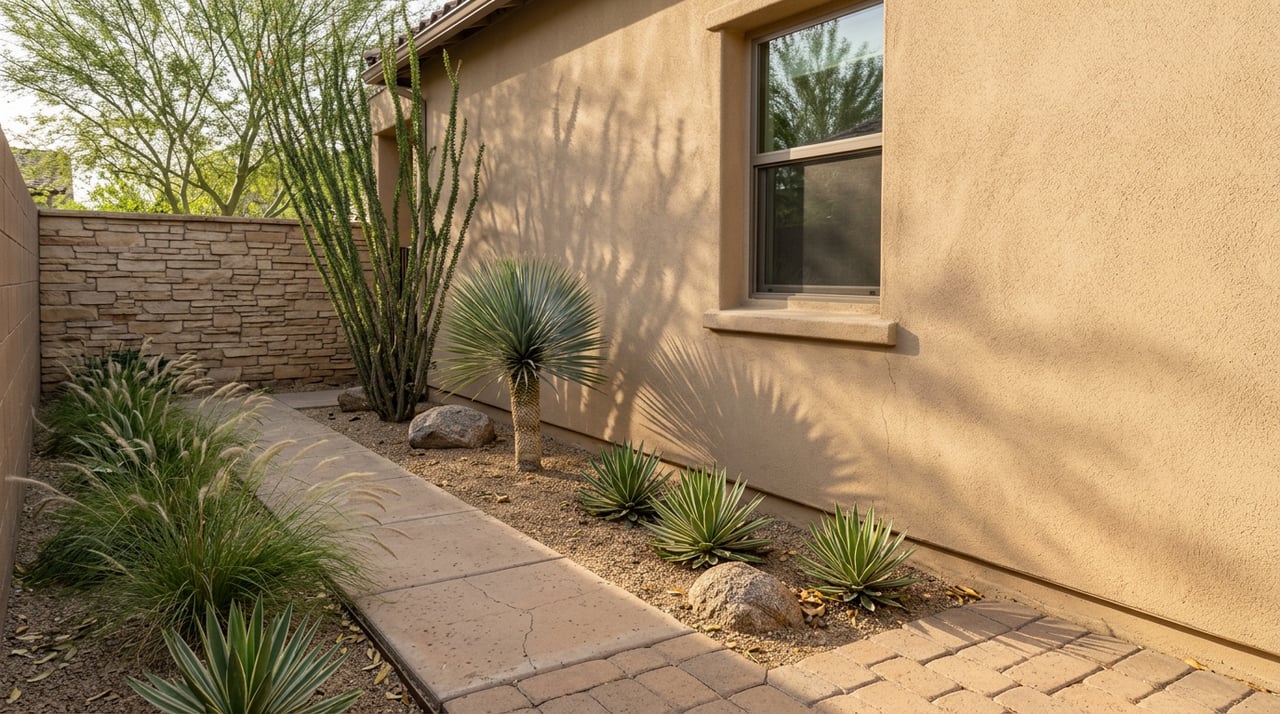
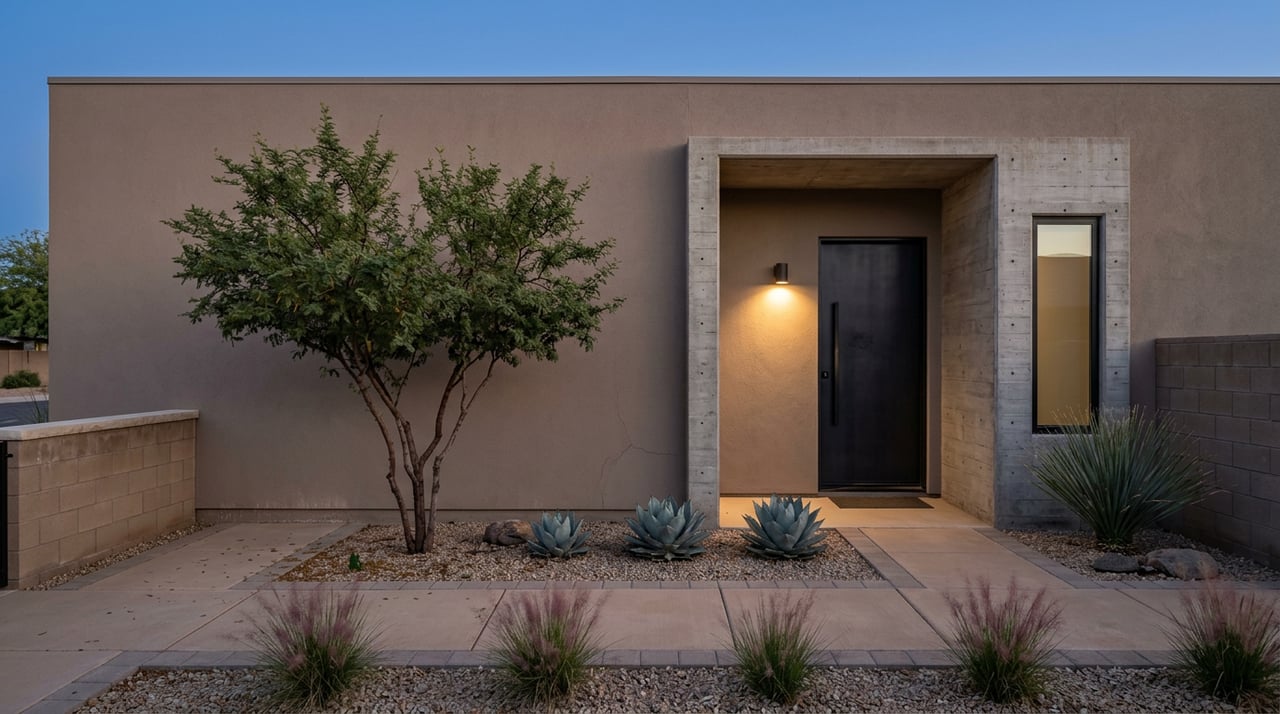
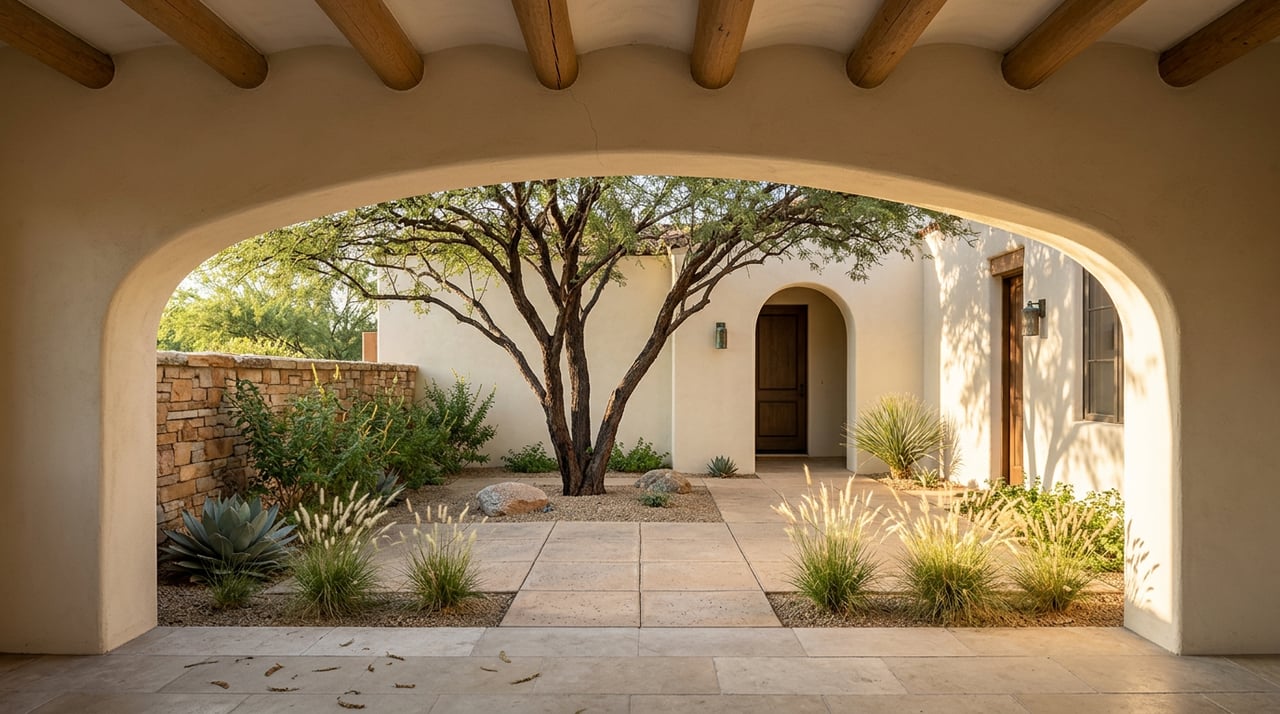
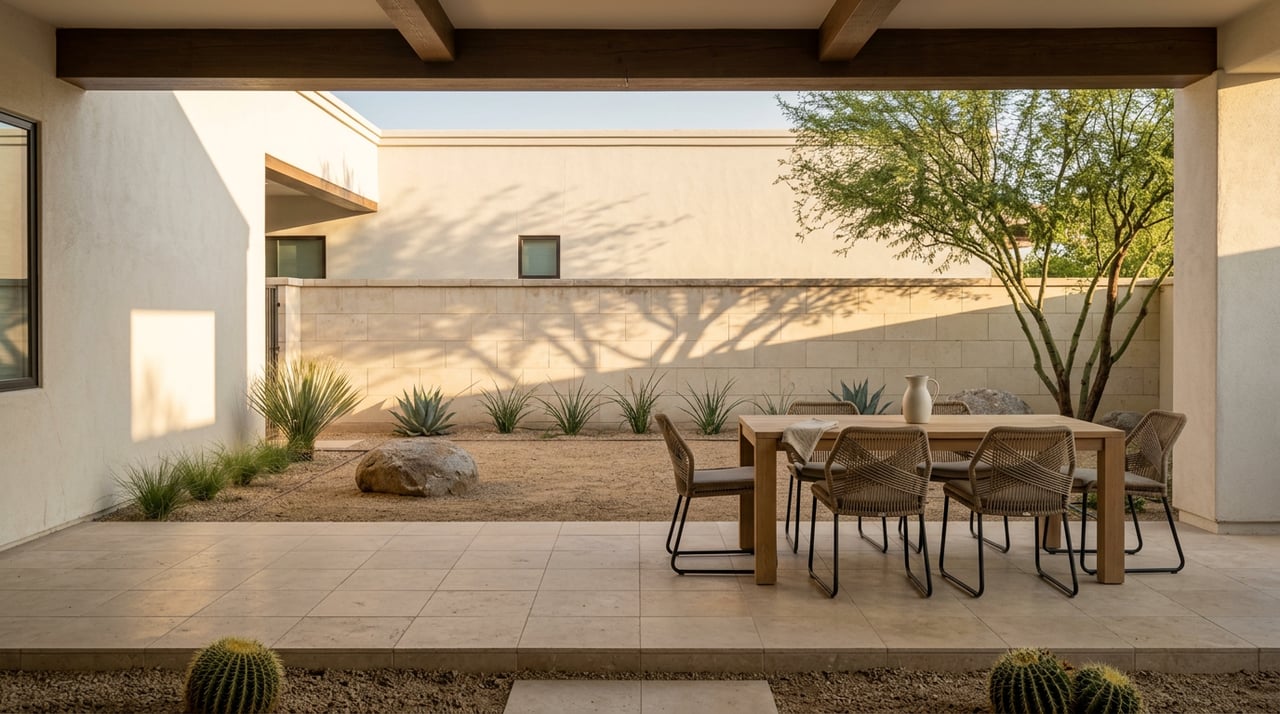
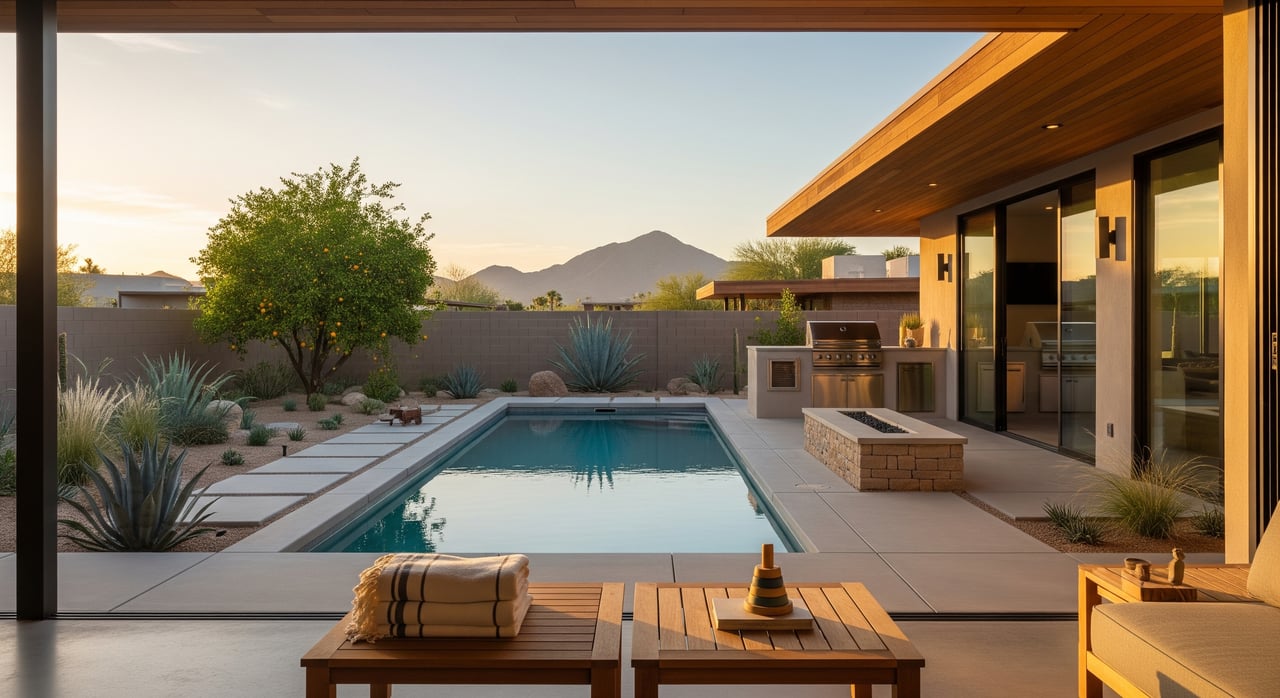
At home, reliable air conditioning and routine HVAC maintenance are essential. Many families choose xeriscaping, shade trees, covered patios and misters to make outdoor areas comfortable. Water-wise landscaping is common and often supported by neighborhood guidance.
During monsoon season, dust and air quality can affect children with asthma or allergies. Check weather guidance on storm days and plan indoor activities when needed.
Healthcare and services
Phoenix has robust pediatric resources. Phoenix Children’s Hospital serves as a major pediatric center, and many neighborhoods have pediatric practices and urgent care options. If you are expecting a child, it is smart to check appointment availability and provider affiliations early.
Maricopa County Public Health offers immunization resources and family health education. Local libraries and community centers provide storytimes, classes and summer programs. Nonprofit organizations and recreation programs add more options for camps and youth activities across the city.
Costs to plan for
- Housing: Purchase price or rent is your biggest monthly cost. Location and home type drive the range.
- Utilities: Summer cooling increases electricity use, so plan for higher warm-season bills.
- Childcare: Costs vary by provider and location, and high-demand centers may have waitlists.
- Youth activities: Sports leagues, lessons and camps are popular, especially in cooler months.
- Transportation: Most families rely on at least one car, which adds fuel, insurance and maintenance.
Is Phoenix a fit for your family?
If you value sunshine, flexible outdoor living and strong family programming, Phoenix offers a lot to love. You will enjoy an active fall through spring season, along with easy access to parks, preserves and cultural attractions. Summer requires adjustments, but families adapt with early schedules, water play and indoor options.
Choosing a neighborhood comes down to trade-offs between yard size, commute length and school access. With a clear plan and the right guidance, you can find a home that matches your family’s priorities.
Ready to explore Phoenix and the West Valley with a local, family-focused team by your side? Reach out to the Desert Luxe Team to compare neighborhoods, understand school boundary considerations and map a daily routine that fits your life.
FAQs
How hot are Phoenix summers for kids?
- Daytime highs regularly rise well above 100°F in summer, so families shift to early-morning and evening outdoor time, rely on pools or splash pads, and emphasize hydration and shade.
How do school choices work in Phoenix?
- You can choose among public districts, charter schools, magnet programs and private schools, but boundaries, open enrollment and admissions vary by address and school, so verify specifics and visit campuses.
What are common family activities in Phoenix?
- Families rotate between parks, easy hikes, splash pads and major attractions like the zoo, botanical garden and children’s museums, with most outdoor events concentrated from fall through spring.
What should I consider when picking a neighborhood?
- Confirm school boundaries, check access to parks and pools, review commute times and look for shade features, then consult current crime maps and community resources for local context.
Is Phoenix car dependent for families?
- Yes, most households rely on cars for school and work, while transit serves select corridors and many trips remain quicker by car, especially with multiple drop-offs and activities.
Are pediatric healthcare resources widely available?
- Yes, Phoenix has a major pediatric hospital and many neighborhood practices and urgent care options, though appointment availability can vary, so plan ahead if you are expecting.