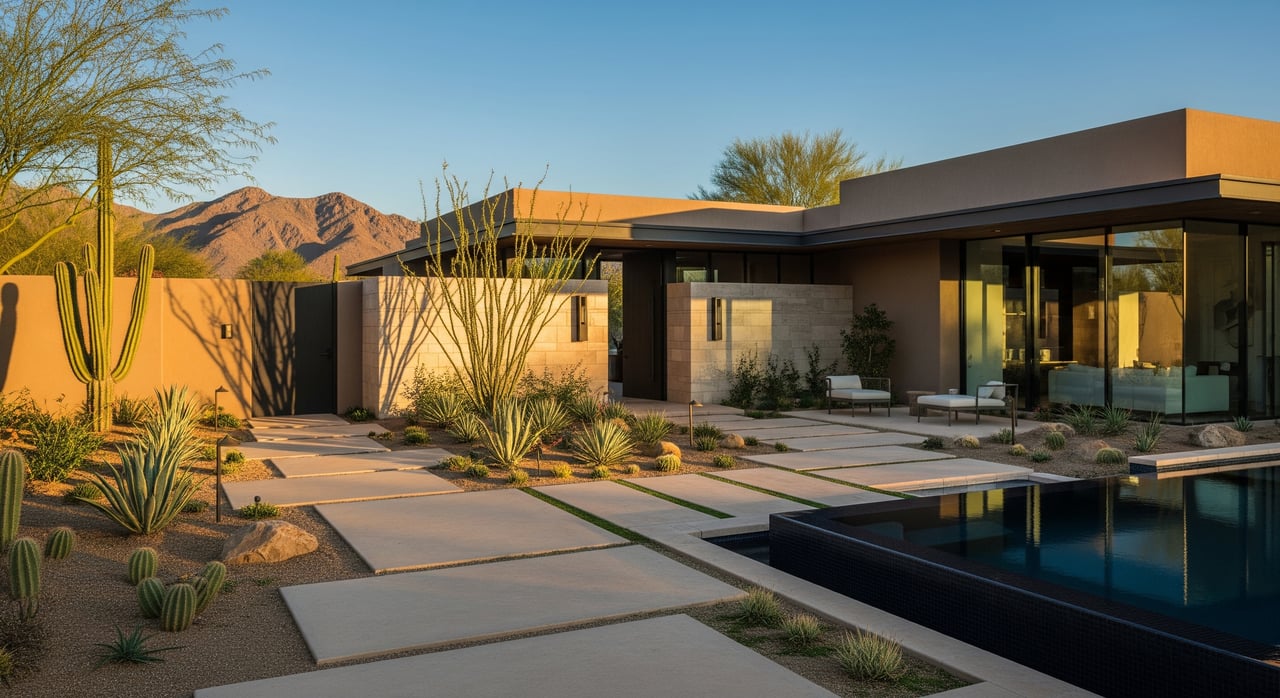
Thinking about a move to Scottsdale but not sure where to start? You are not alone. Scottsdale offers everything from lively, walkable districts to quiet desert enclaves, which can make choosing a neighborhood feel overwhelming. In this guide, you will get a clear, step-by-step framework to match Scottsdale neighborhoods to your commute, lifestyle, and budget. Let’s dive in.
Scottsdale at a glance
Scottsdale sits within the Phoenix metro and stretches across very different landscapes and lifestyles. You will find dense, walkable commercial zones in and near Old Town along with low-density communities near the McDowell Mountains and the northern desert. Commute patterns depend on where you work and which freeways you use, especially Loop 101, Loop 202, and SR-51.
Neighborhood types and corridors
- Old Town and Central Scottsdale: Mixed-use, walkable areas with restaurants, galleries, nightlife, and boutique retail. You will see many condos, townhomes, and smaller-lot homes.
- Scottsdale Airpark and Shea Corridor: Near major office parks, apartments, and mid-rise condos. Great if you need quick access to Loop 101 or work in the Airpark.
- North Scottsdale and McDowell Mountain foothills: Lower density, larger lots, resort and golf communities such as DC Ranch and Troon. Expect longer drives to central Phoenix or Tempe.
- McCormick Ranch, Gainey Ranch, Kierland, and Fashion Square area: Planned-community amenities, water features in spots, and close-in shopping and dining. Mix of single-family homes and condos.
- South Scottsdale and Old Town fringe: Eclectic pockets with smaller lots and some historic homes. Convenient to downtown Phoenix.
- Adjacent areas to consider: Paradise Valley for luxury options, and Cave Creek or Carefree for a more rural, northern feel.
Climate and physical factors
- Hot, arid desert climate: Plan for heavy AC use in summer and an active outdoor lifestyle in the shoulder seasons.
- Monsoon season: Summer storms can produce localized flash flooding. Review floodplain maps before you decide on a property.
- Wildfire and brush risk: Increases toward northern desert and mountain edges. Look at regional fire-risk maps if you consider homes at the urban-wildland interface.
- Water and landscaping: Scottsdale Municipal Water service and regional planning shape irrigation expectations and drought rules.
Your neighborhood fit framework
Use this five-step, practical checklist to evaluate each Scottsdale neighborhood. Score what matters to you, then compare.
Step 1: Define commute corridors
- Map your job sites and frequent destinations. Note primary options like Loop 101 east or west, Shea Boulevard, Scottsdale Road, and Pima/Princess Drive.
- Set clear commute limits for peak and off-peak door-to-door times.
- Run three real commute tests at peak morning and evening using your preferred map app. Cross-check ADOT and local travel-time dashboards for patterns.
- Include airport trips, reverse commutes, and weekend errand drives. Commute reliability should be part of your decision, not just one snapshot.
- Consider seasonal shifts. Some rush-hour periods may lighten in summer, but storms can create delays.
Step 2: Map daily-life amenities
- Rank your top six amenities: grocery and pharmacy, healthcare and urgent care, parks and trailheads, golf, shopping and restaurants, cultural venues and nightlife.
- Set time targets such as grocery within 10 minutes or trailhead within 15. Test each neighborhood against those targets.
- Decide your walkability needs. Old Town and nearby central pockets are more walkable. Many North Scottsdale communities are car dependent. Check sidewalks, shade, and safe crossings if you plan to walk often.
- Consider nighttime activity. Proximity to entertainment districts and major roads can bring noise and parking pressure.
- Note seasonal use. Parks and trails see higher use from November to April, which affects parking and crowd levels.
Step 3: Understand HOA lifestyle
Not all HOAs are alike. Match rules and services to your lifestyle, not just the monthly fee.
- Know the HOA type: Condo or townhome associations often have higher dues but cover exterior maintenance. Master-planned communities may include landscaping, pools, parks, and sometimes gated access. Luxury club communities can have both HOA dues and separate membership fees. Some areas have no HOA or small voluntary associations.
- Request documents early: CC&Rs, architectural guidelines, rules on rentals and exterior changes, recent meeting minutes, reserve studies, financials, and special assessments. Confirm what the association insurance covers versus the owner’s responsibility.
- Score lifestyle fit: Tolerance for rentals, enforcement of noise rules, landscape standards, exterior paint and material controls, pet and parking policies.
- Balance tradeoffs: Lower maintenance and more shared amenities often come with more rules. Fewer rules usually mean more owner responsibility and potentially higher variability in neighborhood appearance.
Step 4: Model total ownership cost
Build a monthly view for each property you consider. Go beyond the purchase price so your decision is apples to apples.
- Core monthly items: Mortgage principal and interest, property taxes and special district assessments, homeowners or condo insurance, HOA dues, and any club or membership fees.
- Utilities and seasonal swings: Electricity is a major summer expense due to cooling. Include water and irrigation, sewer, trash, and any private well or septic considerations at the fringe.
- Maintenance and reserves: Plan for AC service and replacement, roof upkeep, pool service, desert landscaping care, and termite or pest control. Older homes may carry higher summer energy costs.
- Closing and short-term needs: Title, escrow, recording fees, and any local transfer fees. Confirm with a title company.
- Resale and liquidity: Consider buyer pool size for condos versus single-family and the impact of HOA rental caps. Watch neighborhood trends in inventory and days on market.
Step 5: Run physical due diligence
- Flood risk: Review FEMA flood maps and county resources. Do not rely on surface elevation alone.
- Wildfire and brush risk: For northern areas, check fire-risk maps and defensible space guidance.
- Noise and nuisance: Proximity to major arterials or flight paths can affect long-term satisfaction. Visit at different times of day.
- Solar and rooftop: Check HOA solar rules, roof orientation, and shading. Confirm whether the roof and electrical setup fit your plans.
- Pests and desert realities: Ask about scorpions, rodents, and rattlesnakes. Assess lot conditions and perimeter maintenance.
- Water and service: Confirm if the property is on Scottsdale municipal water or another provider and ask about any watering restrictions.
Remote and virtual evaluation
If you are out of state, you can still build confidence and clarity with the right materials and live support.
Essential listing materials
- Floor plans and verified square footage.
- High-resolution photos, interior walkthrough videos, and Matterport or 3D tours when available.
- Drone footage to show lot context, proximity to arterials, greenbelts, and HOA amenities.
Live virtual tours that work
- Schedule FaceTime or Zoom walk-throughs with a local agent. Ask for a slow, room-by-room approach plus exterior boundaries.
- Request a neighborhood drive video that shows the closest grocery, park, major road, and bus stops.
- Ask for orientation cues. The agent should point out north, show yard transitions at eye level, and demonstrate AC and pool equipment.
- Capture ambient noise. Short clips during morning and evening help you gauge traffic patterns.
Map layers to build
- Personal commute lines with typical rush-hour travel times.
- Amenity buffers for your top six priorities at 5, 10, and 20 minutes.
- HOA amenity locations compared with private yard space.
- Overlays for floodplain, fire risk, and noise corridors.
What to request from sellers and HOAs
- One year of utility bills for electric and water.
- HOA CC&Rs, financials, reserve studies, and meeting minutes.
- Seller disclosures, any pre-inspection, and permission for your own inspection contingency.
- Title commitment and recorded easements or covenants.
Build your decision matrix
Convert your notes into a simple scoring tool so you can compare neighborhoods side by side without emotion running the show.
- Create rows for each candidate neighborhood. Use columns for commute, amenity match, HOA fit, monthly cost, physical risk, and resale attractiveness.
- Score each category from 1 to 5. Highlight any dealbreakers, such as commute times that exceed your limit or HOA rules that block solar or renovations you plan to do.
- Keep a short notes column for context like seasonal commute variation or trailhead access.
- Revisit scores after virtual tours and after any updated commute tests. Your matrix should evolve as you learn more.
Common pitfalls and smart fixes
- Cooling costs: Many buyers underestimate summer electricity bills. Ask for a year of utility bills and check HVAC age and maintenance.
- HOA surprises: Do not wait until you are under contract to read CC&Rs. Review rules on exterior changes, rentals, and solar early.
- Photo-only decisions: Photos hide lot slopes, adjacent uses, and noise. Use drone footage and neighborhood drive videos to see context.
- Transit assumptions: Much of Scottsdale is car dependent. Verify transit options and route reliability if you plan to use buses.
- Seasonal impressions: A quick winter visit can make trailhead parking and restaurant crowds feel very different than in summer. Ask for seasonal context.
- Local fees: Confirm property taxes and any special assessments with the county or your title company.
What we do for Scottsdale relocations
You deserve a clear plan and a calm, well-orchestrated process. Our team brings a hospitality-first approach with standardized guides, intake forms, and vetted vendor partners to keep your move on track. We help you define commute thresholds, map daily-life priorities, and build your ownership budget before you ever step on a plane.
Here is how we support you:
- Strategy session to clarify commute corridors, amenity targets, HOA tolerance, and budget.
- Curated shortlists with virtual tour packs, 3D tours, drone context, and neighborhood drive videos.
- Document gathering, including utility bills, HOA financials, and disclosures.
- Inspection and due diligence coordination with trusted local professionals.
- A polished, consistent experience at every price point backed by the tools and credibility of a leading regional brokerage.
Ready to relocate with confidence? Connect with the Desert Luxe Team to start your Scottsdale neighborhood fit plan.
FAQs
How should I evaluate Scottsdale commute times?
- Map your job sites, set peak and off-peak limits, then run at least three real-time commute tests on your routes using common traffic hours.
What HOA documents matter most in Scottsdale?
- Request CC&Rs, architectural rules, financials, reserve studies, meeting minutes, insurance coverage details, and any special assessment history.
How do cooling costs impact my Scottsdale budget?
- Build a monthly model that includes electricity as a major summer expense, then verify with a year of utility bills and HVAC age and condition.
How can I check flood and fire risk in Scottsdale?
- Review floodplain and fire-risk maps before making an offer, and factor in defensible space needs for homes near the desert or mountain edges.
What should I request for a remote Scottsdale tour?
- Floor plans, 3D tours, drone footage, a live walk-through with orientation cues, neighborhood drive videos, and ambient noise clips at different times of day.