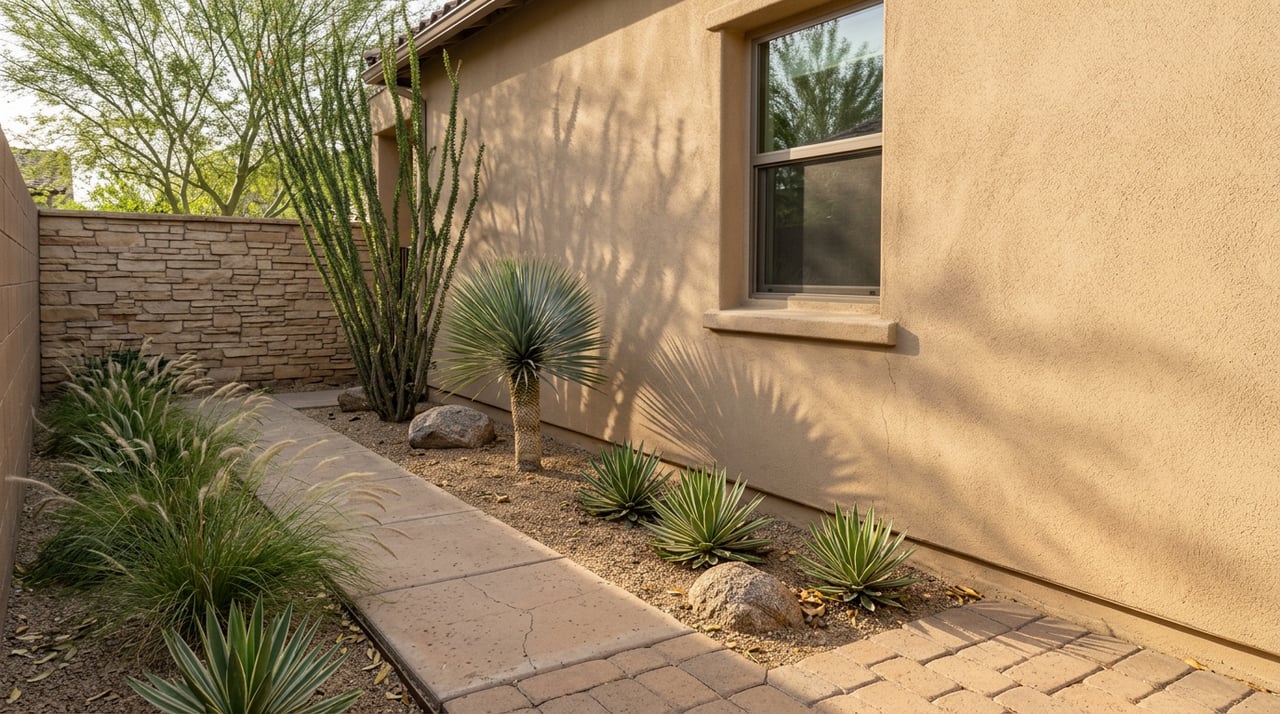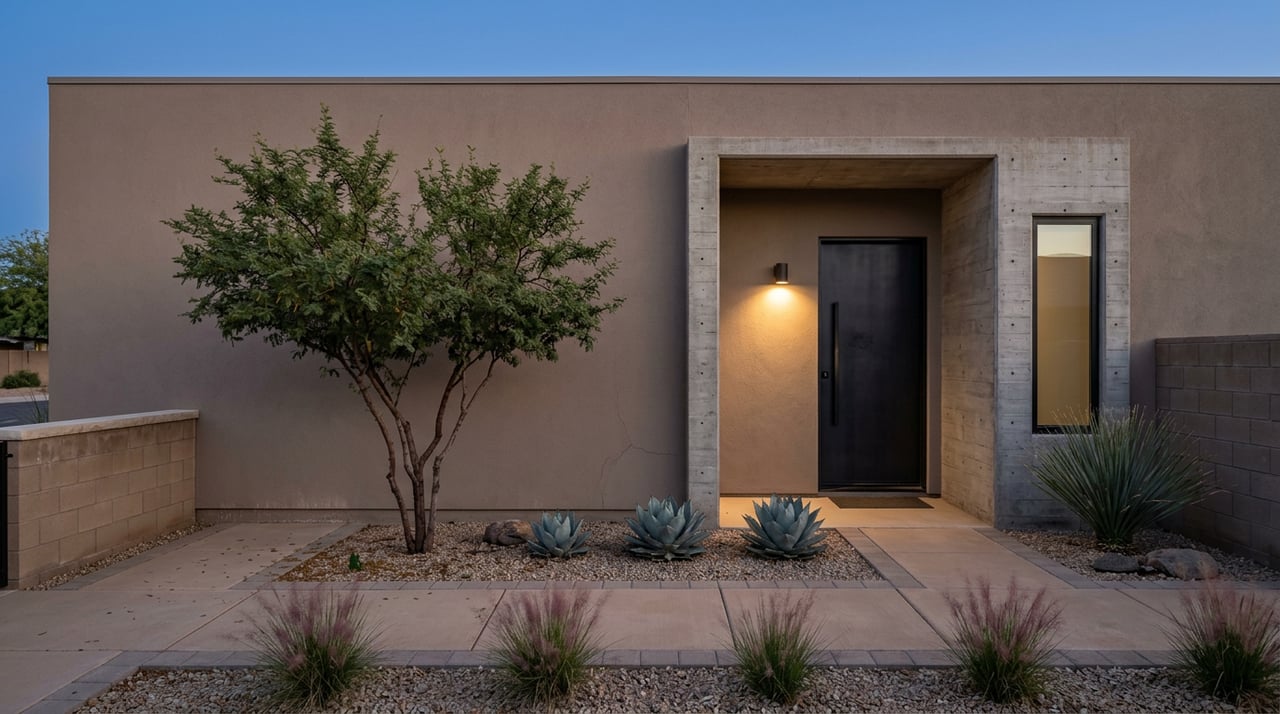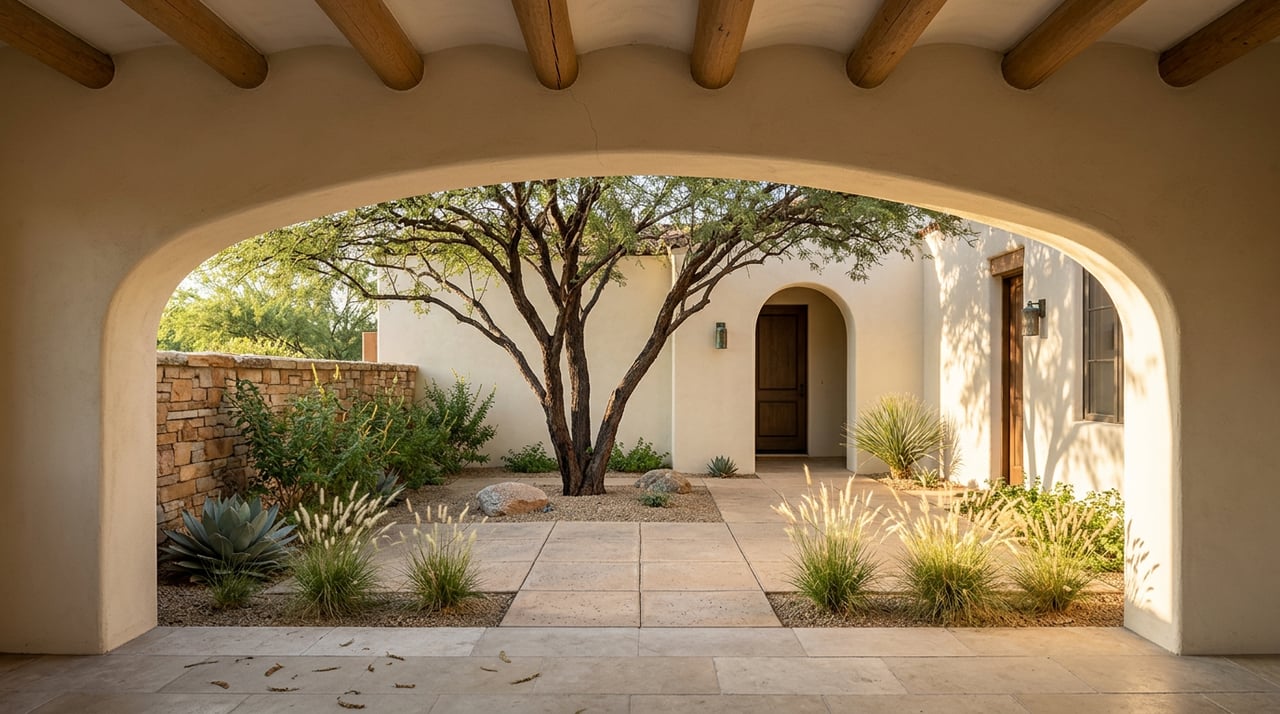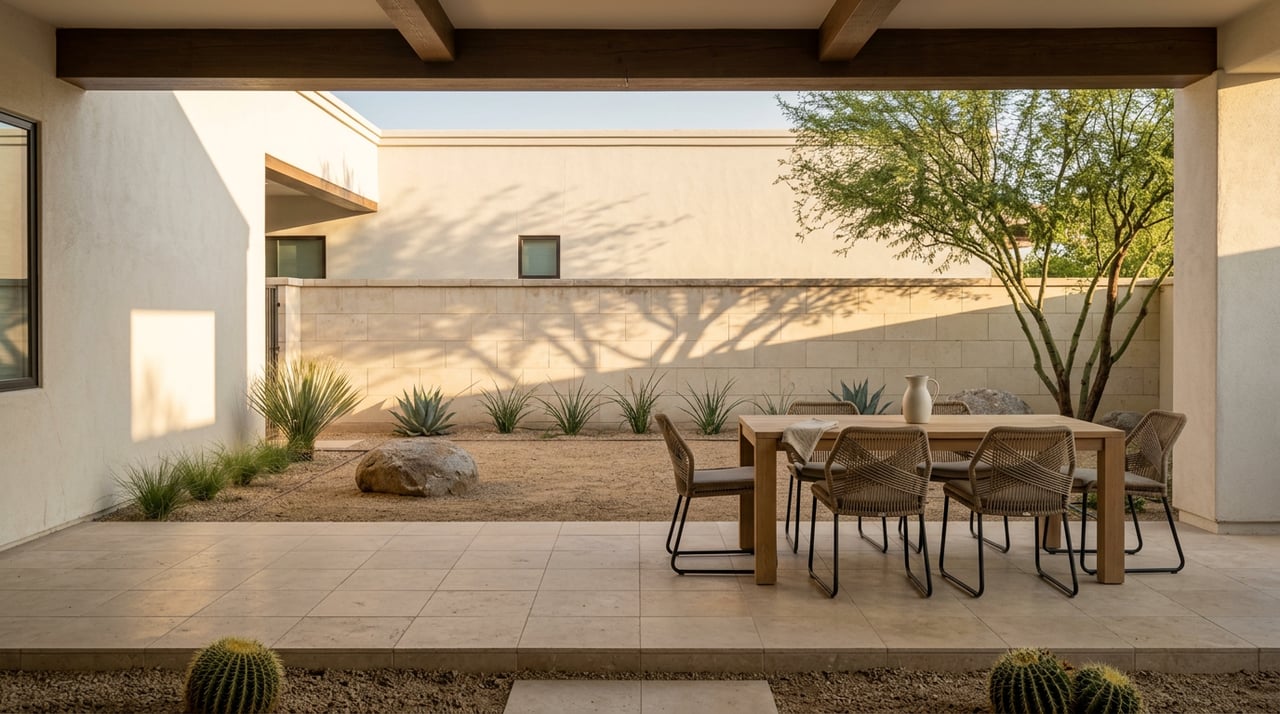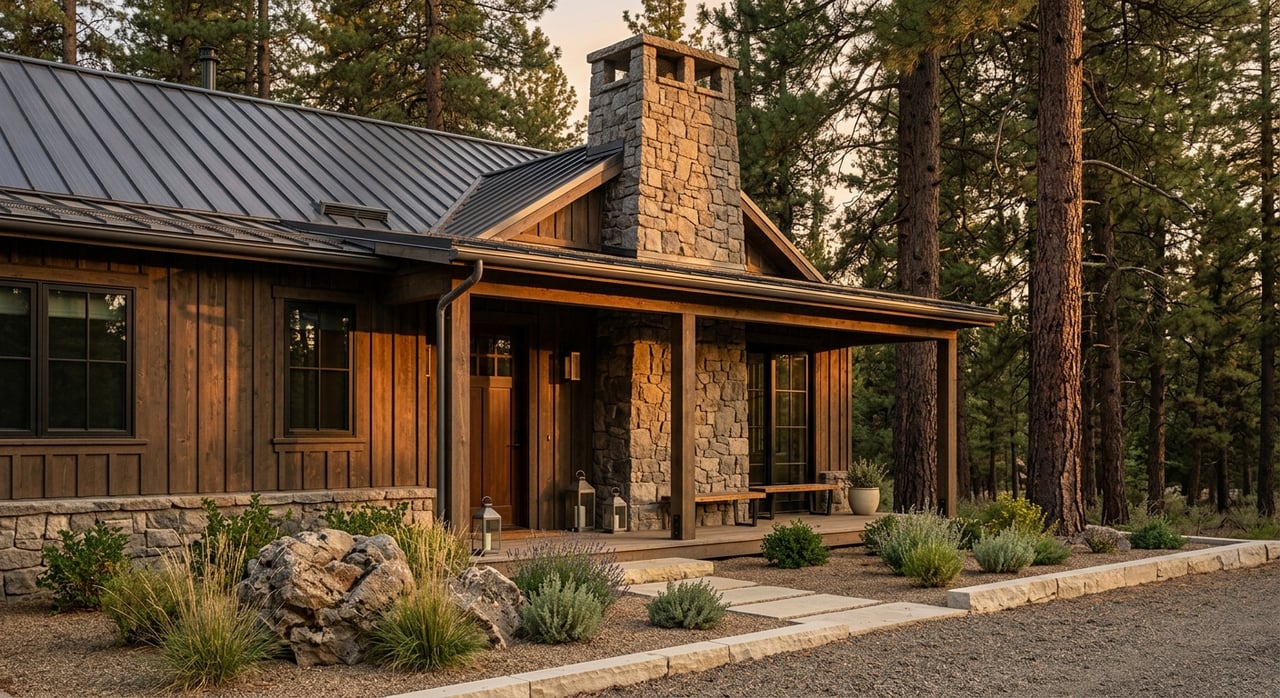
Dreaming of tall pines and sunrise views, or do you picture sidewalks, a clubhouse, and easy errands? In Prescott, you can have either a rustic cabin on acreage or a home in a planned subdivision, and each path fits a different lifestyle. If you are weighing privacy against convenience, this guide breaks down what changes in daily life, costs, and risk so you can choose with confidence. You will learn how utilities, roads, wildfire exposure, and HOA rules work in Yavapai County, plus a simple checklist to use before you buy. Let’s dive in.
Prescott at a glance
Prescott sits in the Bradshaw Mountains at roughly 5,300 to 5,400 feet, which means cooler summers and occasional winter snow compared to the Valley. You will notice four true seasons and crisp evenings that draw many buyers to the area. For a quick primer on climate and location, explore the Prescott overview on Wikipedia.
The housing market includes everything from in-town subdivisions to off-grid cabins. Typical single-family home values are often in the mid to high hundreds of thousands, though acreage properties vary widely based on land size, access, and improvements. Around town and beyond, you will also see a patchwork of private parcels next to the Prescott National Forest, which brings both big recreation perks and added wildfire considerations.
Cabin living: what to expect
Privacy and outdoor access
If you want elbow room, cabins on acreage usually deliver more separation from neighbors and direct access to natural areas. Some parcels border the Prescott National Forest, which can mean hiking or four-wheel adventures close to home. The tradeoff is that you shoulder more day-to-day upkeep such as driveway grading, vegetation management, and systems maintenance.
This lifestyle often suits buyers who value quiet, starry skies, and hosting outdoors. It can also be a fit if you want a workshop, small animals, or space for toys. Just plan time and budget for land care and seasonal prep.
Utilities and water
Inside city limits and many recorded subdivisions, municipal services are straightforward. The City of Prescott handles start and stop service, billing, and rules for things like water, sewer, and trash. You can review city utility details on the City of Prescott utilities page.
Outside municipal service areas, most cabins rely on private wells and onsite wastewater systems. Arizona requires all wells to be drilled by licensed drillers and registered with the state. Learn the basics and key terms from the Arizona Department of Water Resources’ well rules and registration guidance. For septic, Yavapai County enforces permits, setbacks, and transfer rules. Before buying, confirm there is a valid permit or a clear approval path using the county’s onsite wastewater guidance.
Road access and winter
Many rural parcels are accessed by private or easement roads. Yavapai County only maintains roads that have been engineered to county standards and formally accepted for maintenance. Snow removal follows a priority schedule on county roads, while private drives are the owner’s responsibility. To learn how the county distinguishes private versus public maintenance, review the Road Division’s maintenance information.
If you are considering a cabin, verify who maintains your access route and how neighbors share costs. Ask how plowing and grading work in winter and after monsoon storms.
Connectivity and power
Electricity is available across much of Prescott and nearby rural areas, but reliability can vary in remote spots. Some cabin owners use propane, generators, or solar plus battery systems for primary or backup power. For internet, wired fiber or cable is common in town, while acreage parcels often rely on fixed wireless or satellite. Availability changes by address as providers expand. For example, regional providers are adding fiber and fixed wireless capacity across the area, as noted in Wecom Fiber’s recent expansion update. Always confirm service at the parcel level early in your search.
Wildfire and insurance
Properties near forested land require more proactive fire mitigation. The Prescott Fire Department provides guidance on defensible space, chipping programs, and home-hardening steps. Their wildfire risk management resources outline what local agencies look for, including cleared zones, screened vents, and ember-resistant roofing.
Wildfire exposure also affects homeowners insurance in Arizona. The state’s Department of Insurance and Financial Institutions formed a Resiliency and Mitigation Council that has studied availability and affordability in higher-risk areas. Read their summarized findings in the council’s report on homeowners insurance and wildfire. When buying a cabin, get written insurance quotes during your inspection period and ask whether documented mitigation can improve your options or pricing.
Subdivisions: what to expect
Convenience and amenities
Planned subdivisions concentrate services. You often gain municipal water and sewer, public or private streets, and nearby grocery and healthcare. Many neighborhoods include amenities such as parks, fitness centers, trails, or golf. As one local example of a planned community with robust amenities and private management, look at The Club at Prescott Lakes, which illustrates how membership-based facilities can work.
This setup favors low-maintenance living. If you want a gym, pool, and social activities close to home, a subdivision can be a strong match.
HOAs and rules
In exchange for shared amenities and upkeep, subdivisions typically have a homeowners association. Expect CC&Rs that cover architectural controls, landscaping standards, and policies for things like short-term rentals. Fees fund amenities and private street care when applicable. If you plan to add outbuildings, store recreational vehicles, or operate a rental, read the rules closely before committing.
Services and maintenance
Public services, trash pickup, and snow response are more predictable in established subdivisions. Streets are usually public or privately maintained by the HOA. Landscaping demands are often lighter, and many communities have preferred vendor lists for routine work.
Cost tradeoffs beyond price
Here are typical ongoing costs to factor into your decision:
Cabin on acreage
- Well upkeep, water testing, and pump replacement over time.
- Septic pumping and potential repairs or upgrades.
- Private road grading, snow removal, and shared maintenance agreements.
- Wildfire insurance premiums plus defensible-space and home-hardening costs.
- Propane, generator fuel, solar or battery maintenance.
- Internet equipment for fixed wireless or satellite when wired options are not available.
Subdivision home
- HOA dues for amenities, private streets, and common-area landscaping.
- Municipal utility bills for water, sewer, and trash.
- Routine landscaping, exterior care, and any architectural review fees for changes.
While many Prescott homes fall in the mid to high hundreds of thousands, acreage values vary more widely based on land, access, and improvements. Compare the whole cost picture, not just the purchase price.
Quick scenarios to help you choose
Weekend adventurer: You want privacy, stargazing, and trail access. A cabin on acreage gives you space and freedom. Budget for a well, septic, and private road care, then plan a wildfire mitigation routine each year.
Lock-and-leave retiree: You want reliable services, a fitness center, and minimal upkeep. A subdivision with municipal utilities and an HOA can streamline daily life. Expect rules, dues, and easy access to errands.
Buyer checklist for Prescott
Use this checklist during showings and your inspection period:
- Water source. Confirm municipal hookup or a private well. If a well, request the ADWR registration number and the driller’s completion report.
- Septic status. Ask for the Yavapai County septic permit and any recent inspection or service records. Clarify if transfer approval is needed.
- Road and access. Is the road county maintained or private. If private, get a recorded road maintenance agreement and ask about winter access plans.
- Utilities and connectivity. Identify the electric provider, backup fuel arrangements, and what internet options exist at the exact address.
- Wildfire and insurance. Request written homeowners insurance quotes early and ask what mitigation would help approval and pricing.
- Emergency services. Check distance to emergency rooms and confirm fire district coverage, ambulance providers, and likely evacuation routes.
- HOA and covenants. For subdivisions, review CC&Rs, fee schedules, and architectural guidelines. Confirm policies on additions and rentals.
- Title and easements. Order title review to identify easements that could affect building, access, or future plans.
Ready to compare homes in Prescott?
Whether you are leaning cabin or subdivision, you deserve clear answers, careful due diligence, and a calm, well-run process. If you want concierge-level guidance with checklists, vendor connections, and steady communication, the Desert Luxe Team is ready to help you tour options and move with confidence.
FAQs
Can I drill a new well on a Prescott cabin lot?
- Possibly. Arizona requires licensed drilling and state registration, and lots five acres or smaller can involve extra county endorsement steps. Verify records and feasibility before you buy.
Will Yavapai County plow my private driveway in winter?
- No. The county prioritizes snow removal on county-maintained roads. Private drives and many easement roads are the owner’s responsibility or covered by a shared agreement.
Is homeowners insurance easy to get for cabins near the forest?
- Not always. Wildfire exposure can limit options or raise premiums. Obtain written quotes early and ask about mitigation steps, such as defensible space and ember-resistant features.
Do subdivisions in Prescott always have HOAs?
- Many do, especially communities with amenities. Review CC&Rs for rules about landscaping, exterior changes, vehicles, and rental policies before you commit.
What internet options can I expect outside town?
- In-town addresses often have cable or fiber, while rural parcels may use fixed wireless or satellite. Check availability at the exact address, since coverage can vary by road and terrain.