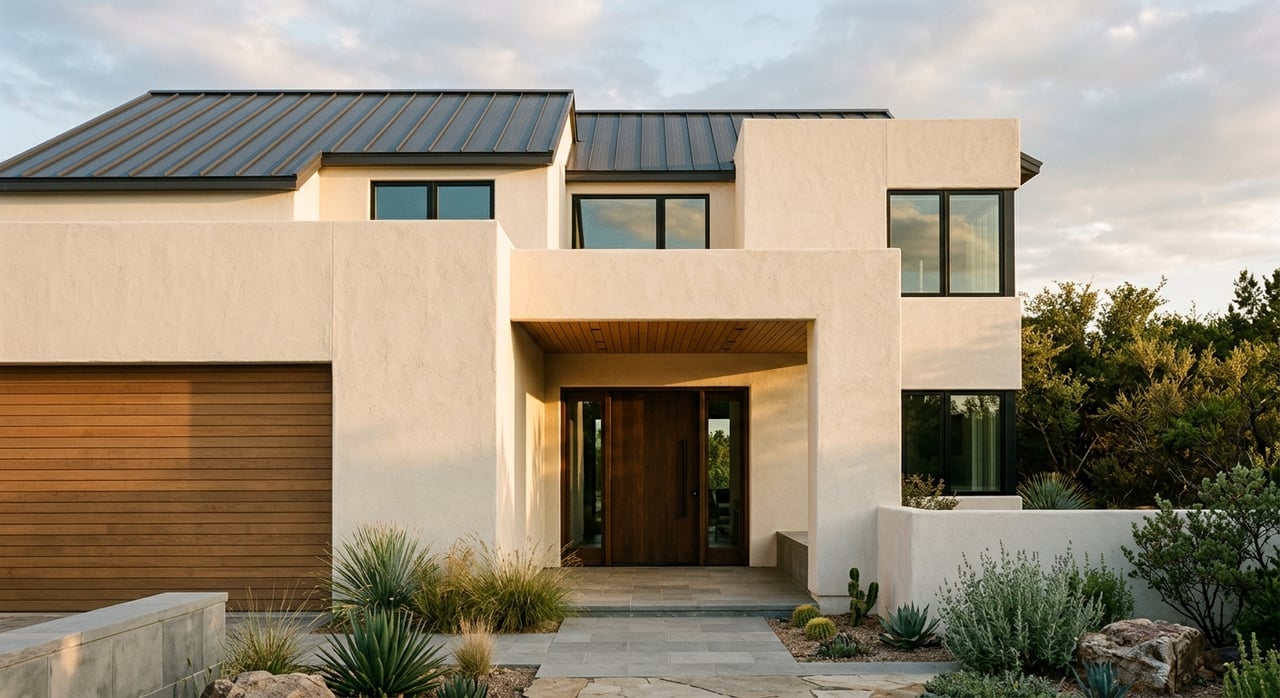
Thinking about escaping Phoenix heat without giving up easy weekend access? Buying a retreat in Prescott can make that goal feel surprisingly practical, especially if you want cooler temperatures, outdoor access, and a home that is close enough to use often. If you are weighing lifestyle, budget, upkeep, and possible rental use, this guide will help you think through the big decisions before you buy. Let’s dive in.
Why Prescott Works for Phoenix Buyers
Prescott fits the second-home lifestyle many Phoenix residents want because it feels like a real change of pace without requiring a long travel day. Downtown Prescott is about 90 miles north of Phoenix, and the drive from Phoenix is about 90 minutes by car according to the official tourism site. That makes spontaneous weekends and short holiday trips much more realistic.
The climate shift is also part of the appeal. Prescott sits at an average elevation of about 5,400 feet according to the city’s general plan, and NOAA climate normals place the station elevation at 5,205 feet. NOAA also reports 16.46 inches of annual precipitation and 10.2 inches of snow, which helps explain why Prescott feels different from the Valley in both summer and winter.
Prescott is not just a newer retreat idea either. The city’s historic preservation information notes that many Phoenix families stayed in summer homes in or around Prescott for years, which gives this pattern deep local roots. Today, the area still leans into that outdoor identity with trails, lakes, and recreation, reinforced by Prescott’s 2026 IMBA Trail Town designation.
What Types of Prescott Homes You May Find
One of Prescott’s biggest advantages is variety. The city identifies housing from several historic eras, including Early Territorial, Middle Territorial, Late Territorial, and Early Twentieth Century periods. Styles range from Victorian and Queen Anne to Craftsman, Mission, Tudor, and other revival designs.
That variety gives you a different kind of search than you might expect in many second-home markets. You may find a character-rich historic property, a home with architectural charm, or a more low-maintenance option that better fits a lock-and-leave lifestyle. Your best fit depends on how often you plan to visit and how hands-on you want ownership to be.
Historic Homes and Extra Planning
Historic homes can be especially appealing if you want charm and a stronger sense of place. Prescott has 13 local historic districts and 13 national historic register districts, with more than 800 National Register properties. For many buyers, that is part of what makes the market feel special.
At the same time, historic ownership can come with more process. The city notes that exterior work requiring a permit in local historic districts must go before the Preservation Commission. If you think you may remodel, replace visible exterior features, or make future updates, that is worth understanding before you commit.
Lock-and-Leave Considerations
If you plan to use the home only part time, maintenance matters as much as aesthetics. Prescott does get winter weather, and the city posts snow-removal and icy-road updates when conditions require it. A beautiful property is only a good retreat if it is manageable when you are back in Phoenix.
Before closing, it helps to think through practical systems. Many part-time buyers should plan for winterization, irrigation shutoff, roof and gutter checks, and a reliable list of local service vendors. That preparation can make the difference between a relaxing getaway and a stressful second set of responsibilities.
What a Prescott Retreat May Cost
If you are budgeting for a Prescott home, recent data points suggest a rough range in the low- to mid-$600,000s. Redfin reported a median Prescott sale price of $613,000 over the three months ending May 2026. Zillow estimated an average home value of $603,126 in June 2026, while the Yavapai County assessor reported Prescott’s median home price at $640,000 in early June 2025.
These numbers do not mean every home will fall into the same bracket. They use different time periods and methods, so they work better as a general pricing range than as a precise target. Still, they offer a useful starting point if you are trying to compare a Prescott retreat purchase with your primary-home goals in Greater Phoenix.
Financing a Second Home in Prescott
Second-home financing is often stricter than financing for a primary residence. Fannie Mae says a second home cannot be a rental property or timeshare, rental income from that property cannot be used to qualify, and lenders must verify two months of reserves for a second-home transaction. Freddie Mac guidance also caps purchase second-home mortgages at 90% loan-to-value, which generally means at least 10% down.
This matters early, not late. If you are considering occasional rental use, lender classification should be part of your strategy before you make an offer. A property may still sometimes qualify as a second home even if it is occasionally rented, as long as you occupy it for part of the year and rental income is not used for qualification.
Budget Beyond the Mortgage
Your monthly payment is only part of the picture. You will also want to budget for property taxes, insurance, utilities that stay on while the home is vacant, HOA dues if the property has them, and periodic maintenance visits. In Arizona, property taxes are administered through the Department of Revenue along with county assessors and treasurers, and the county treasurer collects the bill.
For a second home, carrying costs can surprise buyers more than the sticker price does. A home that sits empty for stretches still needs oversight. If your goal is a low-stress retreat, those recurring ownership costs should be part of your planning from day one.
Insurance Questions to Ask Early
Insurance deserves attention before you finalize your numbers. Standard homeowners insurance may not cover a home used for commercial short-term rental activity, and flood damage is not covered by a standard homeowners policy. If you plan to rent the property even occasionally, or if the home is in an area with flood concerns, ask an insurance professional about the right coverage.
This is one of the easiest places for assumptions to create problems. A home can look affordable until the insurance picture changes based on use. Getting answers early helps you compare homes more accurately and avoid surprises after closing.
If You May Rent the Home Sometimes
Some Phoenix buyers want a retreat first and an occasional rental second. If that is your plan, Prescott’s local rules need to be part of your decision before you buy. The city requires vacation rentals to register before offering a property for rent for 29 consecutive days or less.
In residential zoning, if you are not occupying the home during the rental period and the property is not a hotel, motel, or bed and breakfast, the city requires both an Arizona Department of Revenue TPT license and city vacation-rental registration. The city states that the initial registration costs $95 and renewal is $30.
Prescott Vacation Rental Standards
Prescott also applies operating standards that affect how a rental works in practice. According to the city, vacation rentals must follow occupancy limits of two people per bedroom age 13 and older, plus two additional people per rental. The city also requires a local contact person who can respond in person within 45 minutes, a written rental agreement, and notification to adjacent owners.
Taxes are another important part of the math. The city states that total transient occupancy tax for rentals of 29 days or less is 12.275 percent, combining city, state, and bed-tax components. The city also notes that as of January 1, 2025, city transaction privilege tax is no longer collected on long-term residential rental stays of 30 days or more.
Arizona Department of Revenue guidance adds that short-term or vacation rental owners need a TPT license and must include the license number on advertising. If you are evaluating homes partly based on rental potential, these local operating rules should be treated as core buying criteria, not as afterthoughts.
Tax Planning Matters for Part-Time Owners
If you expect rental income to help offset costs, be careful with assumptions. The IRS says a dwelling used as a vacation home becomes a residence if personal use exceeds the greater of 14 days or 10% of rental days. The IRS also says that if it is rented for fewer than 15 days during the year, rental income generally is not reported.
Those day-count rules are a strong reason to keep a detailed calendar and talk with a CPA before building a financial plan around occasional renting. What looks simple at first can become more nuanced depending on how often you use the home, how often you rent it, and how your lender classifies the property.
A Smart Buying Approach for Phoenix Residents
A Prescott retreat can be a lifestyle win when your plan matches the way you will actually use the property. If you want easy escapes, a cooler setting, and access to outdoor recreation, Prescott checks a lot of boxes for Phoenix buyers. The key is making sure the home fits your maintenance tolerance, financing profile, and any rental goals.
At Desert Luxe, we believe second-home buying should feel organized and personal, not overwhelming. A thoughtful process can help you compare property type, ownership costs, and practical use so you can buy with more confidence. When you are ready for a high-touch, hospitality-driven approach to your next move, connect with Desert Luxe Team.
FAQs
What makes Prescott appealing for a Phoenix second home?
- Prescott is about 90 miles north of Phoenix with an approximately 90-minute drive, higher elevation, cooler climate, and a strong outdoor recreation identity.
What price range should you expect for a Prescott retreat?
- Recent market data suggests a general range in the low- to mid-$600,000s, though individual homes may price above or below that depending on location, style, and condition.
What should you know about financing a Prescott second home?
- Second-home financing is typically more conservative, often requiring at least 10% down, two months of reserves, and no use of rental income from the property for qualification.
What should you know about buying a historic home in Prescott?
- Historic homes can offer strong character, but exterior work requiring a permit in local historic districts must go through the Preservation Commission, which can add process for future updates.
What should you know about renting out a Prescott retreat short term?
- For rentals of 29 days or less, Prescott requires vacation-rental registration, and many properties also need an Arizona TPT license, occupancy compliance, a local contact person, and tax planning.
What extra costs should Phoenix buyers budget for with a Prescott retreat?
- In addition to the mortgage, plan for property taxes, insurance, utilities, HOA dues if applicable, maintenance visits, and seasonal upkeep such as winterization and roof or gutter checks.