If you’re wondering whether Arizona can really offer four distinct seasons, Prescott is one of the clearest examples that it can. Life here feels different from the lower desert, with cooler summers, crisp fall mornings, springtime energy, and winters that can include snowfall. For many buyers, that seasonal rhythm is a big part of Prescott’s appeal. Let’s dive in.
Prescott feels different from Phoenix
Prescott sits at 5,205 feet, and that elevation shapes daily life in a very real way. According to NOAA’s 1991 to 2020 climate normals, Prescott’s average July high and low are 89.6°F and 61.0°F, while Phoenix averages 106.5°F and 84.5°F.
That difference is more than a number on a weather app. It often means warmer afternoons without the same overnight heat, which can make evenings feel more comfortable and outdoor time easier to enjoy. In winter, Prescott also feels much cooler, with January averages of 52.6°F and 23.8°F compared with Phoenix at 67.6°F and 46.0°F.
Prescott also gets more annual precipitation and measurable snowfall. NOAA reports an average of 16.46 inches of precipitation and 10.2 inches of snowfall per year in Prescott, compared with 7.22 inches of precipitation and no annual snowfall in Phoenix. That combination helps give Prescott a true four-season feel rather than a long hot season with a short cool break.
Spring in Prescott feels active
Spring tends to bring quick warming and a noticeable lift in outdoor activity. April averages 67.8°F and 37.3°F, and May averages 76.3°F and 45.0°F, which creates comfortable conditions for being outside during much of the day.
This is the time of year when you may find yourself spending more time walking downtown, heading out for a hike, or enjoying a patio without planning around intense desert heat. The city’s special-events calendar also shows spring as a busy season for trail runs, bike races, Earth Day events, and arts-and-crafts gatherings.
For buyers, spring gives a good preview of Prescott’s lifestyle. You can start to see how strongly the city’s outdoor setting and community calendar shape everyday living.
Summer in Prescott stays warm but more balanced
Summer in Prescott is still summer, but it does not mirror the Valley’s heat profile. July averages 89.6°F and 61.0°F, while August averages 87.2°F and 59.7°F, which supports the idea of warm days followed by cooler evenings.
Those same months are also the wettest of the year, with 2.69 inches of precipitation in July and 2.78 inches in August. In practical terms, summer often feels like a mix of sunshine, evening cooldowns, and periodic rain.
This is also a season when Prescott’s community identity is highly visible. Signature events include the World’s Oldest Rodeo, the rodeo parade, and Prescott’s Independence Day celebrations. If you picture a summer that blends outdoor fun with local traditions, Prescott often fits that image well.
Fall in Prescott often feels especially comfortable
Many people find fall to be one of Prescott’s most enjoyable seasons. October averages 72.9°F and 40.1°F, and November averages 61.6°F and 29.8°F, so you still get pleasant afternoons with noticeably crisper mornings and evenings.
That temperature shift often makes daily routines feel easier and slower in a good way. You may need a light jacket in the morning, then enjoy comfortable daytime conditions for errands, walks, or time outside.
The city’s event calendar remains active in fall as well, with fairs, arts events, and outdoor gatherings continuing through the cooler shoulder season. For buyers considering a move, fall can reveal how livable Prescott feels when the pace of summer settles into cooler weather.
Winter in Prescott is a real season
Winter in Prescott is not usually severe by northern standards, but it is a genuine winter. January averages 52.6°F and 23.8°F, and February averages 55.2°F and 26.4°F. Annual snowfall averages about 10.2 inches, with most of it falling between December and March.
That means winter here can include cold mornings, seasonal layering, and occasional snow. For many Arizona buyers, that is part of the charm. You get a distinct holiday season and a different feel from the lower desert without stepping into a much harsher climate.
Winter is also part of Prescott’s public identity. The city is recognized as Arizona’s Official Christmas City, with a long-running Christmas Parade and Courthouse Lighting that help define the season.
Outdoor living shapes the lifestyle
One reason four-season living feels meaningful in Prescott is that the outdoors remain central to daily life. The City of Prescott says the Prescott Trail System, also known as the Mile-High Trail System, includes about 100 or more miles of trails.
That network includes the Circle Trail, Greenways Trails, and routes around Watson and Willow Lakes. City recreation resources also highlight three lakes, kayaking, fishing, parks, adult sports, and outdoor event reservations.
Prescott’s event culture adds to that rhythm. The city welcomes car shows, music festivals, craft fairs, and mountain bike events, and Prescott was recognized as a 2026 IMBA Trail Town. Together, those details paint a picture of a place where climate and recreation are closely connected.
What four-season living means at home
If you are thinking about buying in Prescott, the climate can affect what feels practical and comfortable in a home. A house that works well year-round may feel more valuable over time because it supports the way the seasons actually unfold.
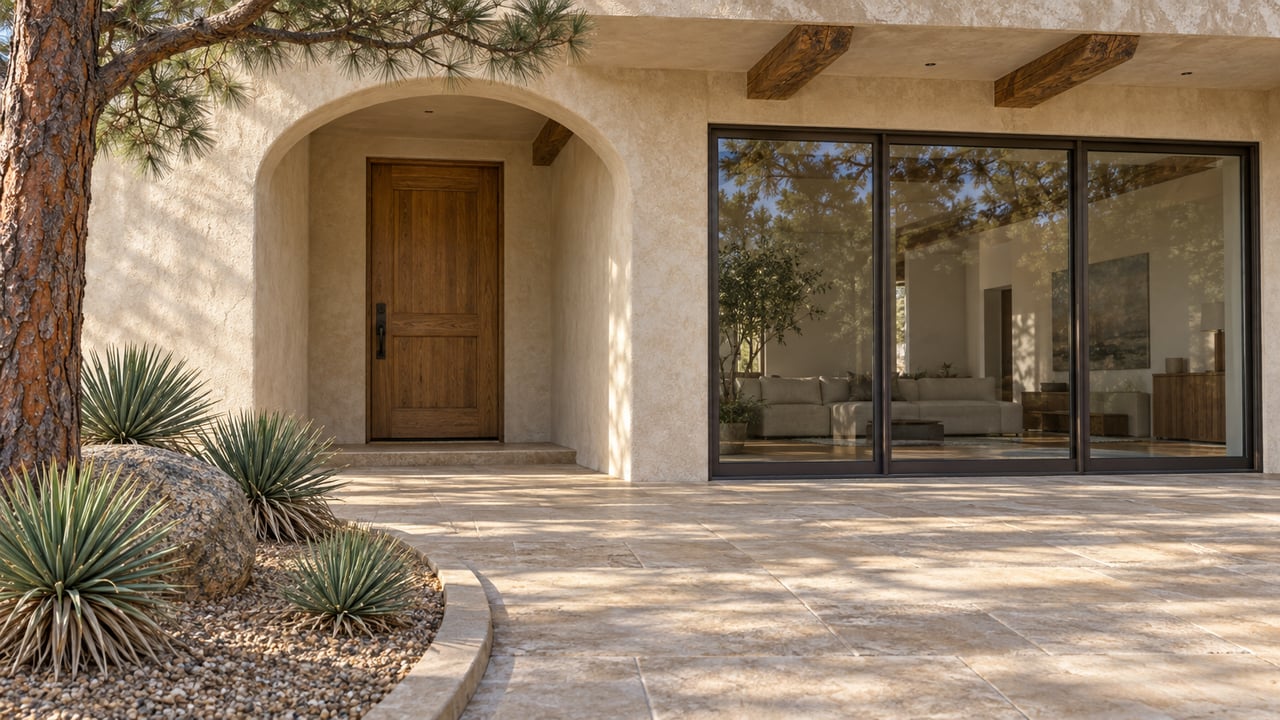
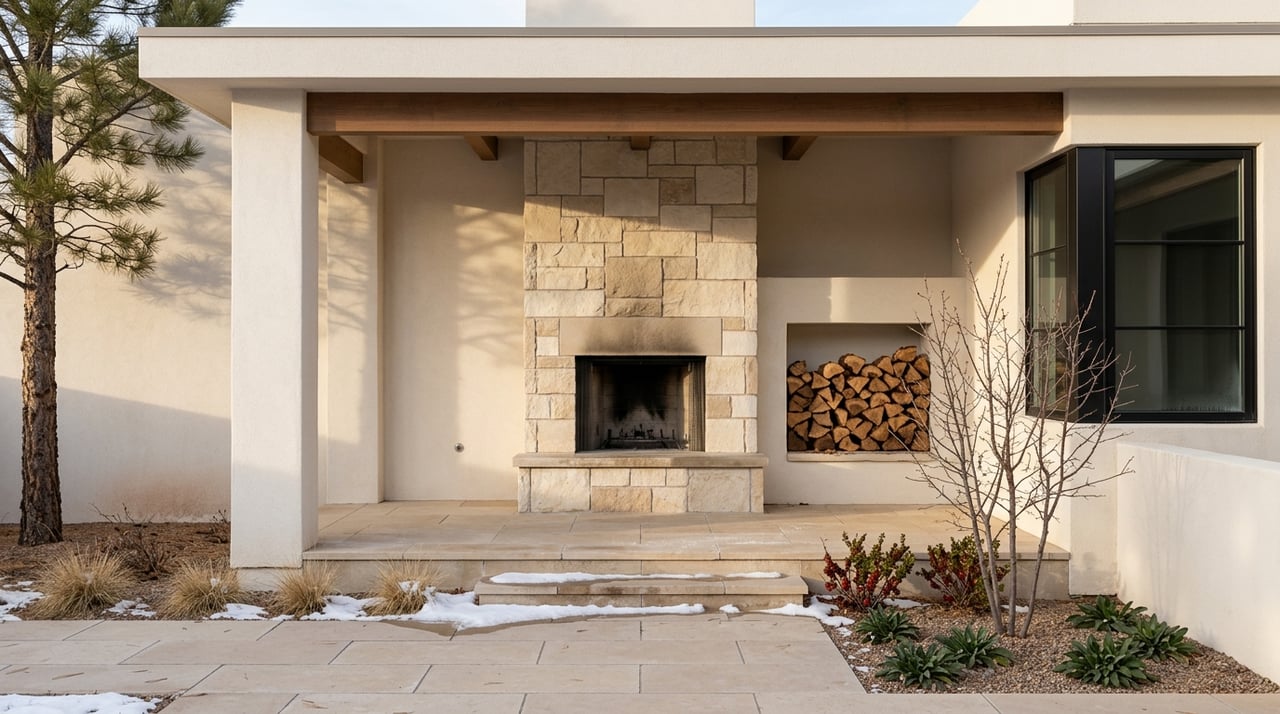
Features like covered patios, deep porches, or other shaded outdoor areas can help extend summer use. Cooler evenings and winter lows can also make a fireplace or other supplemental heat source feel especially welcome.
Storage matters too. In a place where people often enjoy trails, lakes, seasonal events, and changing weather, extra room for bikes, boots, blankets, and holiday décor can make day-to-day life feel much easier.
Why buyers are drawn to Prescott’s rhythm
For many people, Prescott offers a middle ground that is hard to find elsewhere in Arizona. You can enjoy sunshine and outdoor access while also experiencing changing seasons that shape the calendar, the community, and the feeling of home.
That seasonal variety can influence everything from how often you use your patio to what you keep in your entry closet. It can also create a stronger sense of transition through the year, which many buyers find refreshing after life in a hotter, more uniform climate.
If you are comparing northern Arizona options or weighing Prescott against the Phoenix area, it helps to think beyond average temperatures alone. The bigger question is how you want your daily life to feel across the year.
If you want help exploring Prescott homes and finding a property that fits the way you want to live in every season, connect with Desert Luxe Team.
FAQs
What is four-season living like in Prescott, Arizona?
- Four-season living in Prescott means you experience a clearer seasonal cycle than in Phoenix, including mild spring weather, warm summers with cooler evenings, comfortable fall conditions, and winters with cold mornings and some snowfall.
How hot does summer feel in Prescott compared with Phoenix?
- Prescott is notably cooler in summer, with an average July high and low of 89.6°F and 61.0°F, compared with Phoenix at 106.5°F and 84.5°F.
Does Prescott, Arizona get snow in winter?
- Yes. Prescott averages about 10.2 inches of snowfall per year, with most snowfall occurring from December through March.
What outdoor activities support Prescott’s four-season lifestyle?
- Prescott supports an outdoor lifestyle with about 100 or more miles of trails in the Mile-High Trail System, plus lakes, kayaking, fishing, parks, races, and seasonal community events.
What home features matter for Prescott’s changing seasons?
- Buyers often appreciate features that adapt well to seasonal changes, such as shaded outdoor areas, a fireplace or supplemental heat source, and extra storage for outdoor and seasonal gear.